Blog
Glass Bottled Water: Benefits, Quality and Refined Presentation
Explore glass bottled water benefits, taste neutral packaging and recycling, plus 350 ml and 750 ml still and sparkling formats for UAE hospitality.
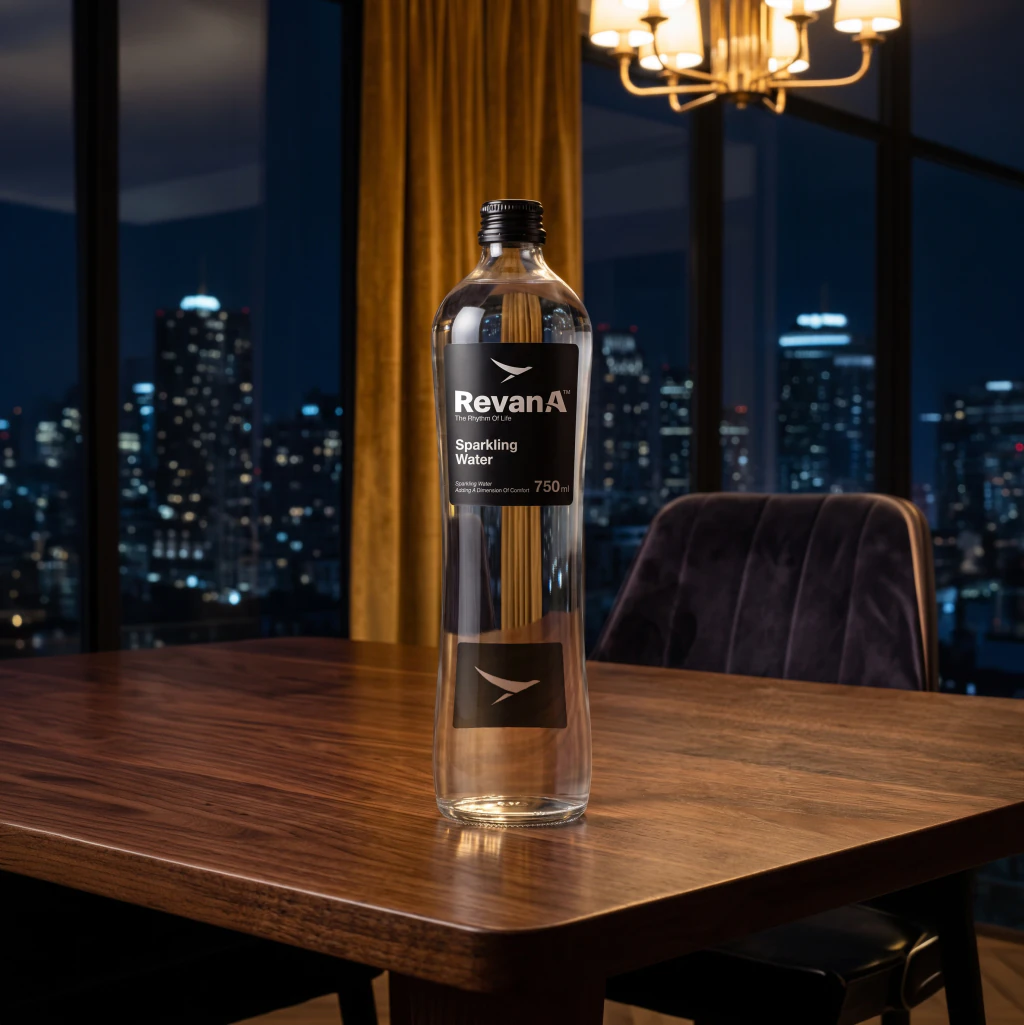
Glass bottled water offers four practical benefits: taste neutral packaging, strong barrier properties, refined presentation and recyclability through suitable collection systems. For UAE hotels, fine dining restaurants and executive venues, these characteristics make glass a considered choice for serving still and sparkling drinking water.
A beautifully composed table is as much about restraint as detail. The right water bottle complements the glassware, the menu and the atmosphere. Choosing it well means understanding not only the aesthetics, but also the material, serving format and practical requirements behind every pour.
What is glass bottled water?
Glass bottled water is drinking water packaged in food grade glass containers. The material is valued for its stable, nonporous surface and effective barrier against gases and moisture through the bottle wall. A compatible, properly sealed closure is equally important to maintaining packaging integrity.
Four benefits of glass bottled water
A taste neutral drinking experience
Glass generally does not impart its own flavour or odour under intended beverage use conditions. The character of the water itself depends on its composition, treatment and storage, allowing the packaging to play a supporting rather than defining role.
Reliable barrier properties
The glass wall provides a strong barrier to gases and moisture. For sparkling water, the bottle and closure must also be appropriate for carbonation. Quality filling, sealing and storage remain essential for both still and sparkling varieties.
A refined visual identity
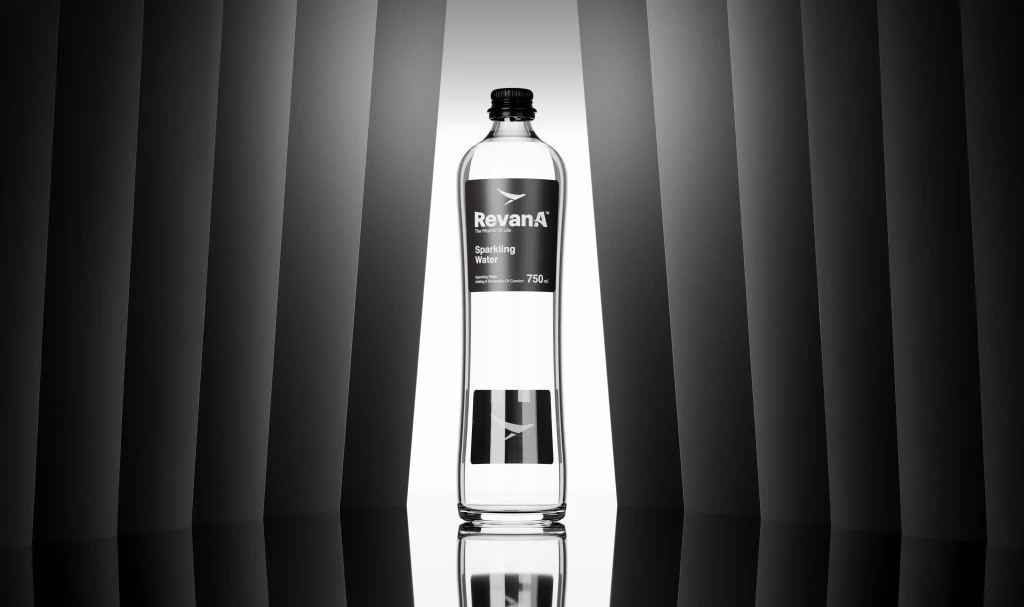
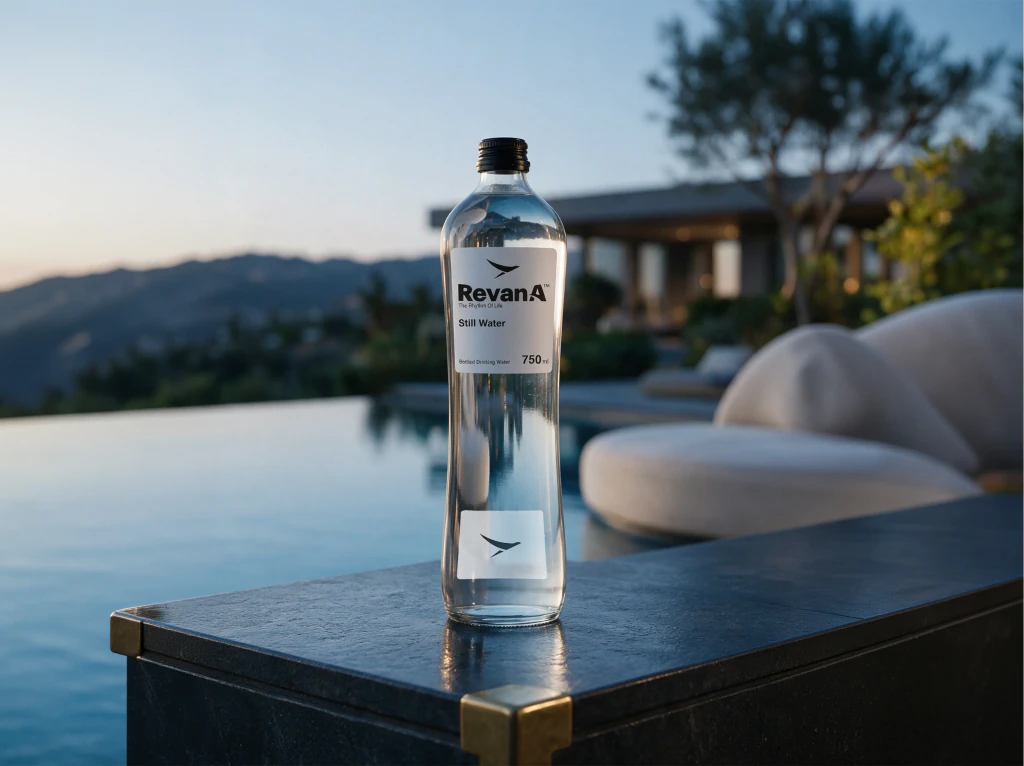
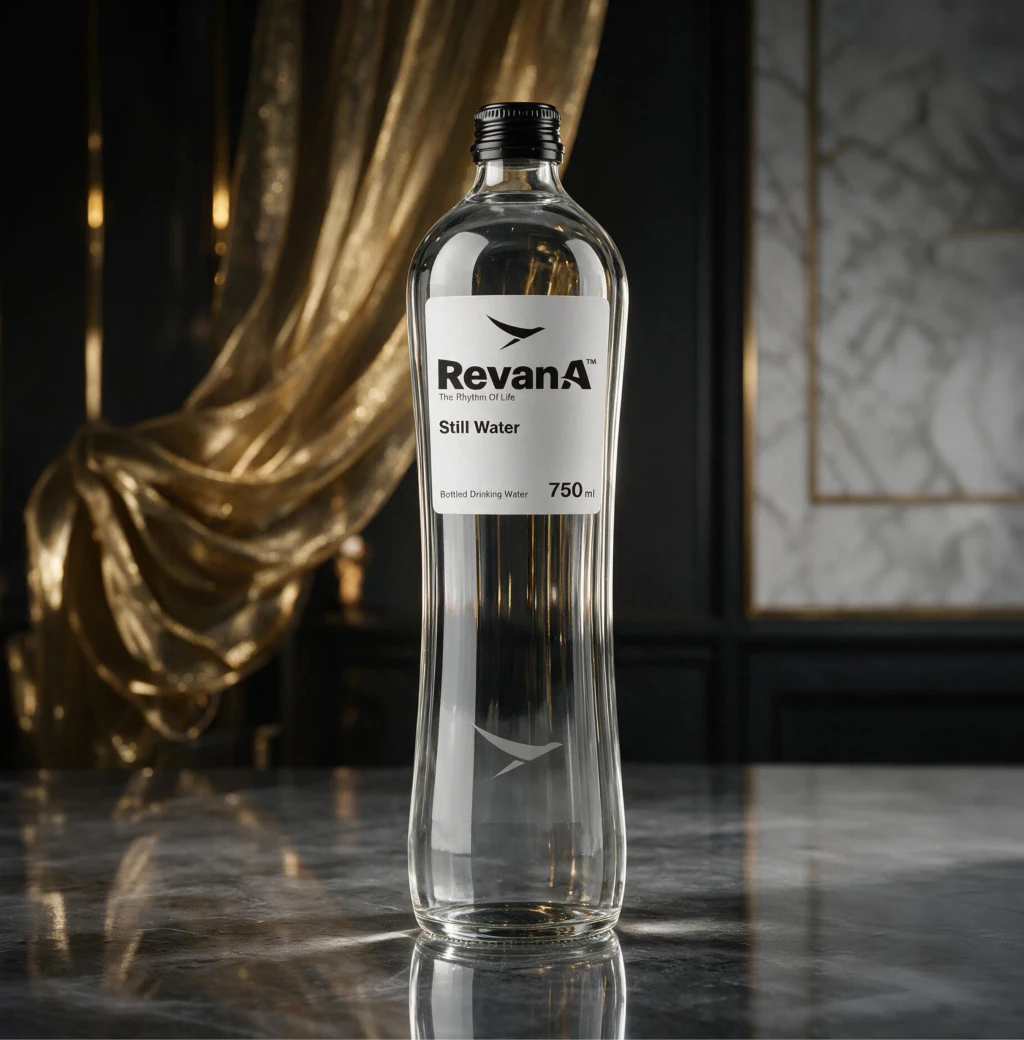
Transparency, proportion and understated label design can complement premium tableware, contemporary interiors and sophisticated hospitality spaces. A glass bottle is part of the setting, not simply a container.
Recyclable packaging
Glass can be recycled where appropriate collection and processing infrastructure exists. Its recyclability is a valuable consideration, although the overall environmental impact depends on the complete packaging life cycle.
Where premium glass bottled water makes a difference
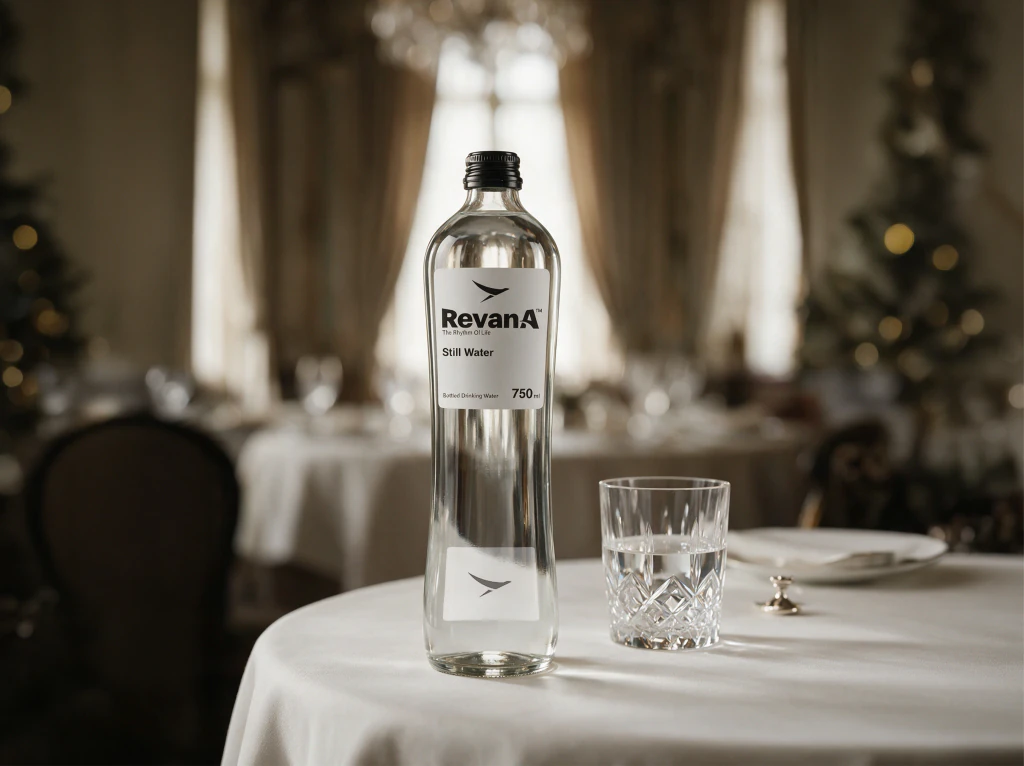
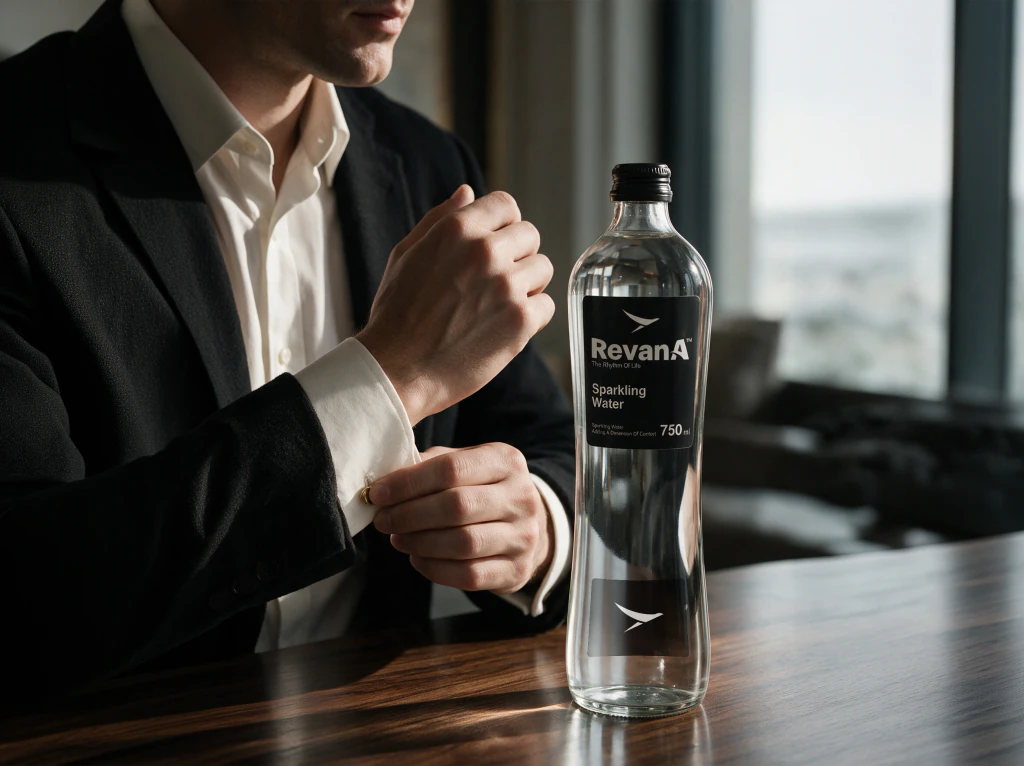
In fine dining, a coordinated still and sparkling selection can complement the beverage menu and table presentation; see how to create a clear water menu for your restaurant. In hotels, glass bottles can serve guest rooms, suites, lounges and executive meeting spaces. For corporate gatherings and private events, an elegant bottle helps maintain a consistent, professional visual identity.
350 ml or 750 ml: choosing the right format
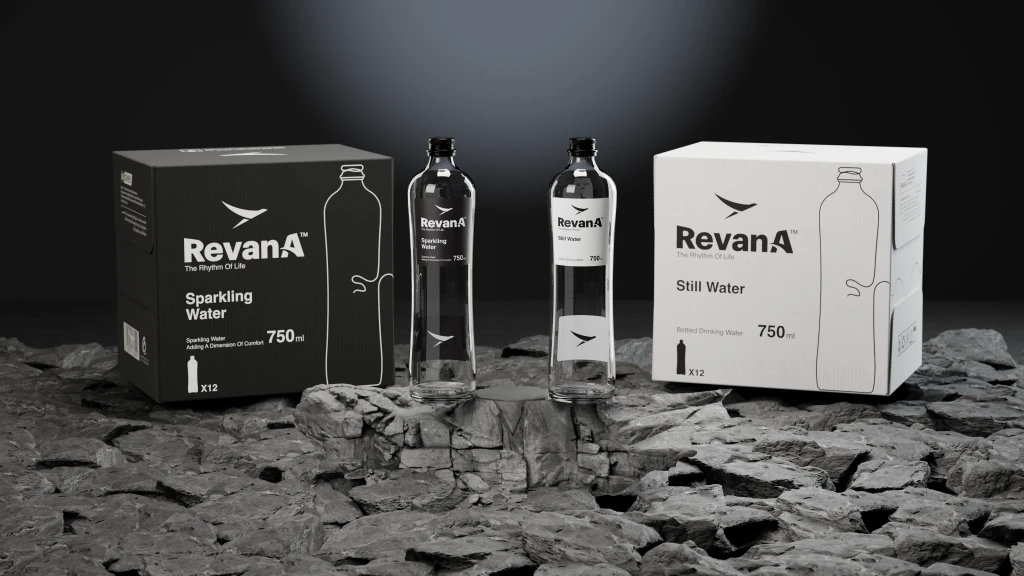
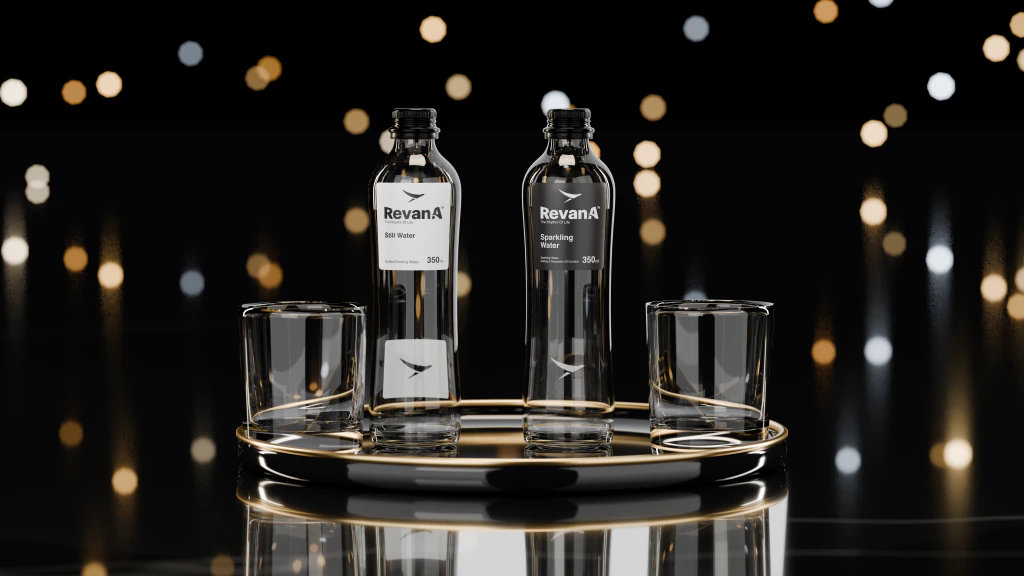
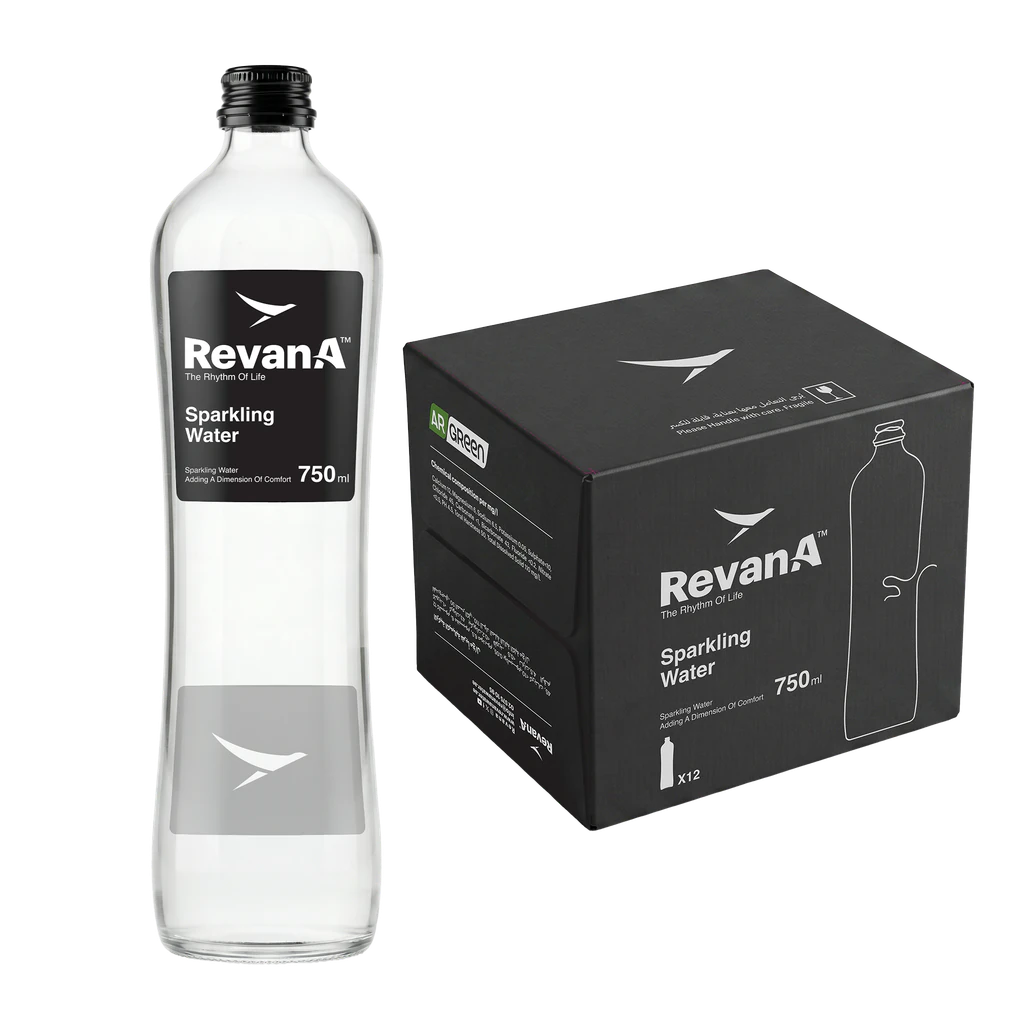
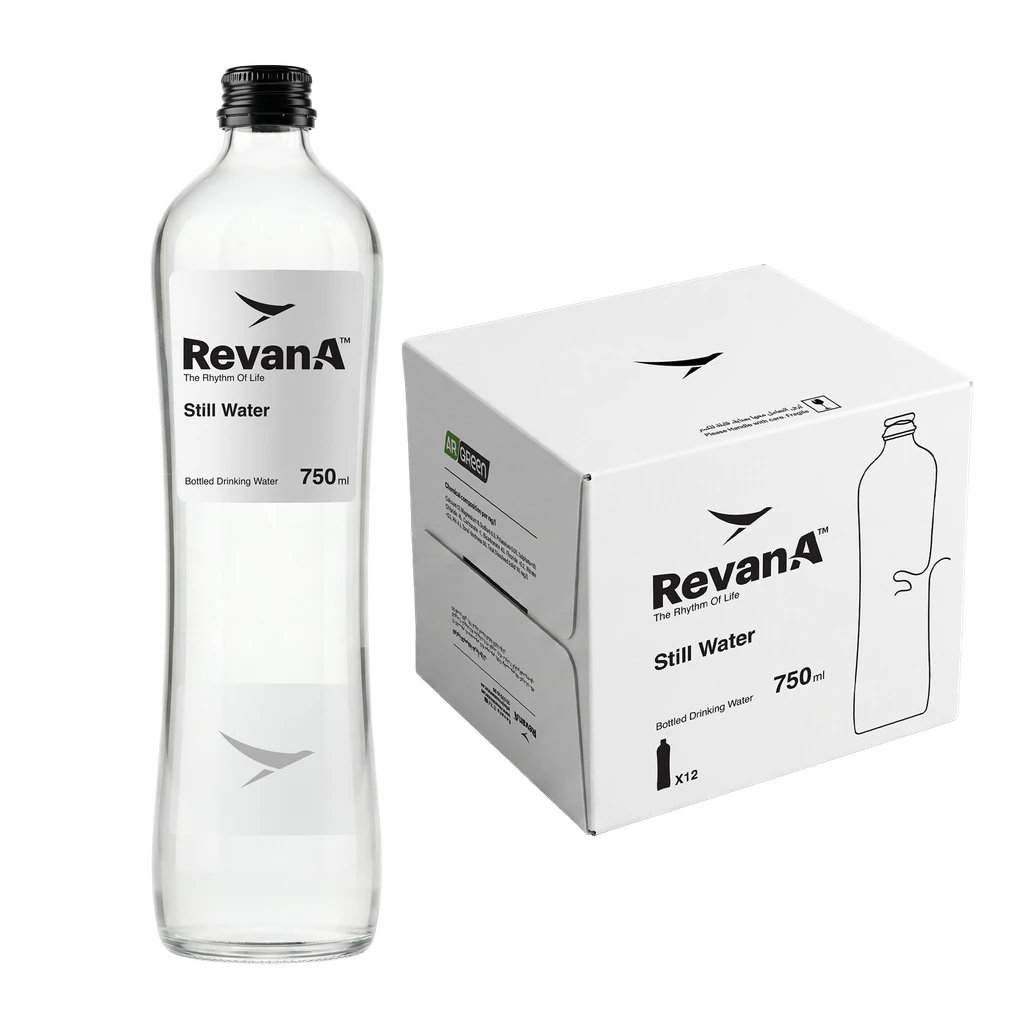
A 350 ml glass bottle is well suited to individual service, guest amenities and meeting tables. A 750 ml glass bottle offers a larger format for shared dining and restaurant table service. The choice should reflect the occasion, expected consumption, available space and service style.
Still or sparkling: a considered pairing
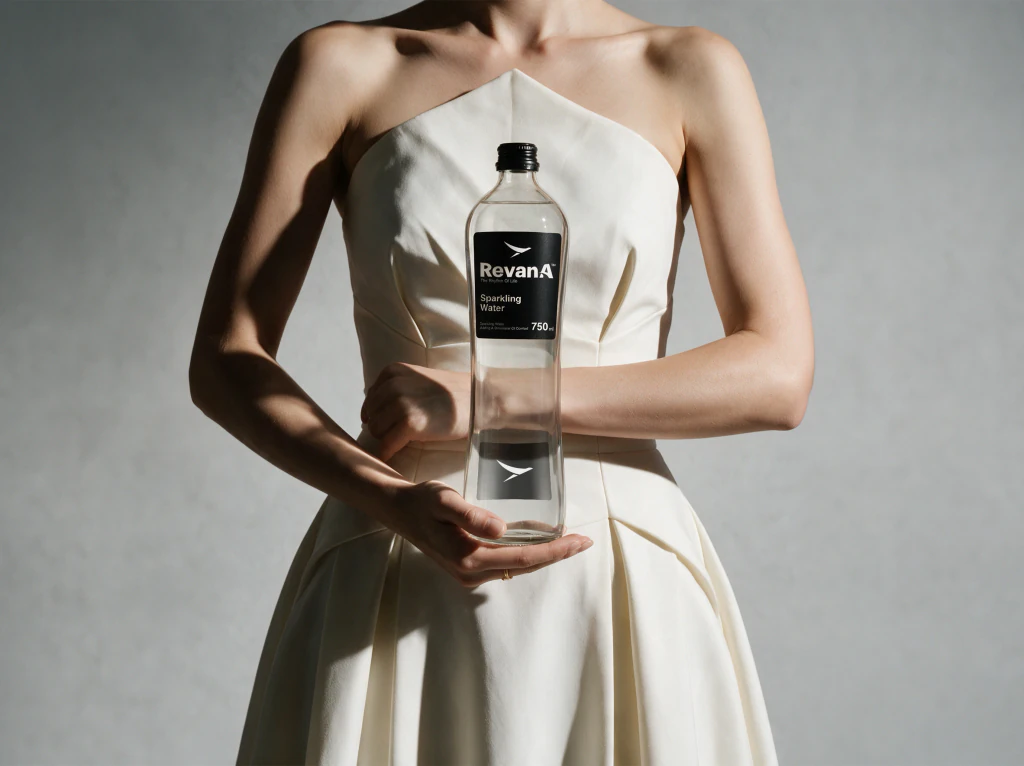
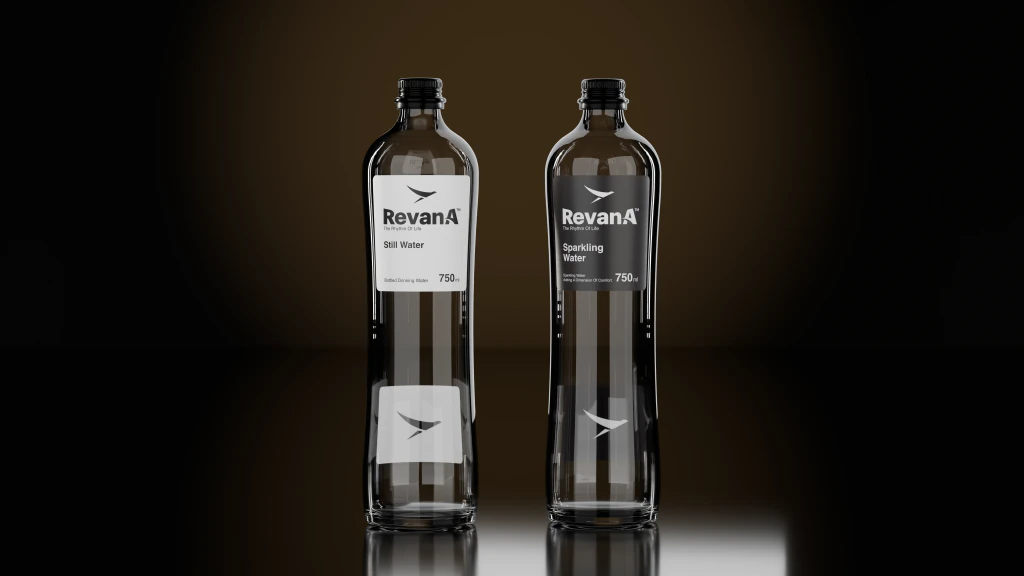
Still water offers a quiet accompaniment to a meal; sparkling water adds carbonation and a different mouthfeel. Offering both allows guests to choose without prescribing a universal pairing. For a cohesive table, select complementary bottle designs and make the water type immediately recognisable to service staff. Our still versus sparkling guide covers the choice in more detail.
Glass versus PET at a glance
Glass prioritises a distinctive table presentation and a rigid container with strong barrier properties. PET is lighter and typically easier to handle in high volume or mobile settings. Both require suitable food contact packaging and controlled production. The better choice depends on the service occasion, handling constraints and waste management arrangements.
Is glass bottled water more sustainable?
There is no universal answer. Glass is recyclable and certain bottles are designed for managed return and refill systems. However, glass is generally heavier than plastic, which can influence transport impacts. Manufacturing energy, distribution distances, collection rates and actual reuse cycles all matter. A bottle designed for single use should not be assumed suitable for commercial refilling.
For an informed material comparison, ask how empty bottles are collected at the venue and whether the local waste contractor accepts container glass. The US Environmental Protection Agency’s glass recycling data illustrate why technical recyclability and actual recovery should be treated as separate questions; US recovery figures should not be applied to the UAE. Glass recycling reference (US EPA).
What to look for in a premium glass water supplier
Look beyond the bottle design. Ask for the product specification, relevant quality documentation, storage instructions and closure details. For a useful comparison, assess a chilled sample at the actual service table: check the opening, pouring, label legibility under ambient lighting and fit with existing tableware. Confirm available formats and delivery arrangements before approving supply.
Frequently asked questions
Does water taste better in glass bottles?
Glass is generally taste neutral; the water’s composition, treatment and storage are the main influences on taste.
Is glass bottled water safer than plastic?
Neither material is universally safer. Product safety depends on compliant packaging, water treatment, hygienic filling and appropriate storage.
Can glass water bottles be recycled or reused?
Glass can be recycled through suitable facilities. Commercial refilling requires bottles designed for reuse and controlled cleaning and inspection.
What is the difference between still and sparkling water?
Still water is not carbonated, while sparkling water contains dissolved carbon dioxide that produces bubbles.
Discover Revana: The Rhythm of Life
Revana is the premium bottled drinking water brand of AR Green, a UAE producer operating since 2003. Explore the 350 ml and 750 ml still and sparkling glass collection for your dining or hospitality setting. For business enquiries, request product details, samples and a supply proposal through AR Green. Explore the Revana brand.